





News Categories

In today's fast-paced food service industry, understanding how automatic fried rice machines operate has become essential knowledge for restaurant owners and food entrepreneurs. These sophisticated pieces of equipment have transformed traditional cooking methods, enabling businesses to produce consistent, high-quality fried rice at unprecedented speeds while reducing labor costs by up to 60%.
The global commercial kitchen equipment market continues to expand rapidly, with automated cooking systems leading the charge. According to recent FDA food safety guidelines, automated cooking equipment must meet stringent operational standards, making it crucial for operators to understand their inner workings.
This comprehensive guide explores the complete operational mechanism of fried rice cooker machines, from initial ingredient input to final product discharge, providing practical insights for both newcomers and experienced professionals in the commercial kitchen industry.
Five-Stage Process: Automatic fried rice machines operate through ingredient feeding, pre-mixing, heating and stirring, seasoning integration, and automated discharge systems
Temperature Control: Advanced PLC systems maintain precise temperatures between 180°C-220°C for optimal cooking results
Production Capacity: Commercial units process 50-300 kg per hour depending on model specifications
Energy Efficiency: Modern machines reduce energy consumption by 35-40% compared to traditional wok cooking
Labor Savings: Automation reduces required kitchen staff by 2-3 personnel per shift
Before exploring operational procedures, understanding the fundamental components of an automatic fried rice machine provides essential context for how these systems function seamlessly.

The feeding mechanism represents the first critical component. Modern systems incorporate multiple hoppers designed for rice, vegetables, proteins, and liquid seasonings. Each hopper features precision sensors that measure ingredient quantities with accuracy rates exceeding 98%, ensuring consistent flavor profiles across every batch.
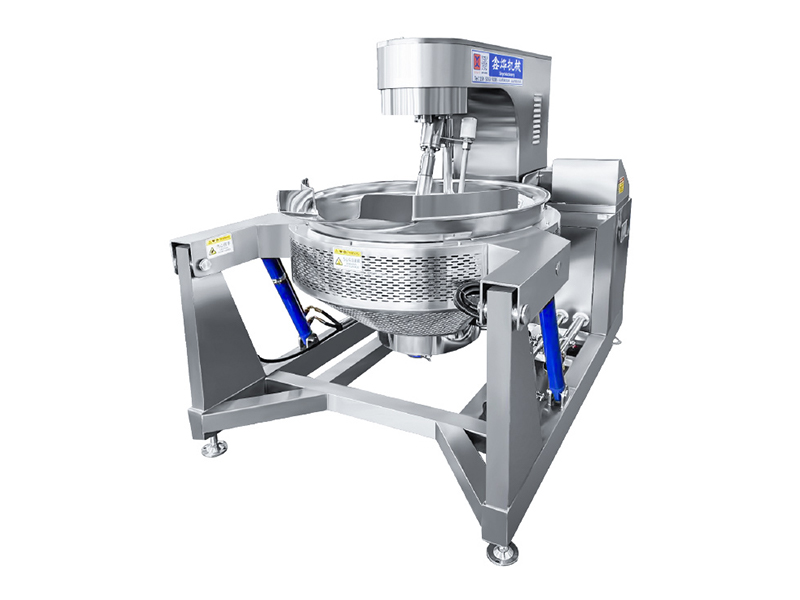
The cooking chamber serves as the heart of the fried rice cooker machine. Constructed from food-grade stainless steel (typically 304 or 316 grade), these chambers withstand temperatures up to 250°C. The heating elements, whether electromagnetic induction or gas-powered, distribute heat evenly across the cooking surface, eliminating hot spots that could cause uneven cooking.
Automated stirring systems replace manual wok tossing through precisely engineered paddle designs. These mechanisms rotate at variable speeds (typically 20-60 RPM) while simultaneously tilting to replicate the traditional wok's motion. According to industrial measurement standards, this approach ensures ingredient distribution uniformity within 2% variance.
Programmable Logic Controllers (PLC) or touchscreen interfaces manage all operational parameters. These systems allow operators to pre-program recipes, adjust cooking times, and modify temperatures with precision, while monitoring real-time performance metrics.
The operational sequence of automatic fried rice machines follows a systematic workflow designed to maximize efficiency while maintaining food quality standards.
Operators begin by loading pre-cooked rice (cooled to 4-10°C for optimal texture) into the primary hopper. The machine's conveyor system or elevator mechanism transports ingredients at controlled rates, preventing overload situations. Vegetables, proteins, and eggs are loaded into separate compartments, maintaining proper food safety protocols as outlined by WHO food safety standards.
Once initiated, the fried rice cooker machine activates its dispensing sequence. Rice enters the cooking chamber first, followed by oil misting (typically 50-80ml per batch). The timing between each ingredient addition follows pre-programmed intervals, typically:
Rice and oil: 0-15 seconds
Vegetables: 15-30 seconds
Proteins: 30-50 seconds
Seasonings: 50-70 seconds
The heating system rapidly elevates chamber temperature to the target range (180°C-220°C). Electromagnetic induction systems achieve this in 45-60 seconds, while gas burners require 60-90 seconds. During this phase, the stirring mechanism activates, ensuring continuous ingredient movement that prevents sticking and promotes even heat distribution.
The mixing paddles employ a dual-motion system: rotational stirring combined with intermittent lifting actions. This technique allows excess moisture to evaporate while preventing rice grain damage. Advanced models incorporate moisture sensors that adjust cooking duration automatically, maintaining ideal final moisture content between 58-62%.
Upon completion, the chamber tilts or bottom gates open, allowing finished fried rice to discharge into collection containers. Total cooking time ranges from 3-7 minutes per batch. Many modern automatic fried rice machines include automated cleaning cycles, spraying heated water and food-safe cleaning solutions between batches.
| Specification Parameter | Standard Range | High-Performance Models |
|---|---|---|
| Production Capacity | 50-150 kg/hour | 150-300 kg/hour |
| Cooking Temperature Range | 180°C-220°C | 180°C-250°C |
| Batch Cooking Time | 5-7 minutes | 3-5 minutes |
| Power Consumption | 12-18 kW | 18-30 kW |
| Temperature Control Accuracy | ±5°C | ±2°C |
| Stirring Speed Range | 20-40 RPM | 20-60 RPM |
| Voltage Requirements | 220V/380V 3-phase | 380V/480V 3-phase |
*Performance specifications based on industry-standard testing conditions and manufacturer data
Contemporary automatic fried rice machines incorporate multi-zone temperature control. Rather than applying uniform heat, these systems create temperature gradients within the cooking chamber—higher temperatures at the base for initial searing (220°C) and moderate temperatures along the walls (180-200°C) for gentle cooking. This sophisticated approach replicates traditional wok techniques where chefs control heat through wok positioning.
Electromagnetic induction heating has become the preferred technology for high-end models. According to energy efficiency studies, induction systems convert 85-90% of energy directly into heat, compared to 40-55% for gas burners. This translates to faster cooking times, reduced ambient kitchen heat, and lower operational costs.
Modern fried rice cooker machines store multiple recipe profiles (typically 50-200 different programs). Each profile contains precise parameters for ingredient quantities, cooking temperatures, stirring speeds, and timing sequences. This capability ensures that whether producing Yangzhou fried rice or Thai basil fried rice, the machine delivers identical results batch after batch.
Safety mechanisms include automatic shut-off when chamber doors open, overtemperature protection (triggering at 260°C), and emergency stop buttons positioned at multiple locations. Pressure relief valves prevent steam buildup, while automatic fire suppression systems activate if flame or excessive smoke is detected.
Discover how XINYE's advanced automatic fried rice machines can revolutionize your food production. As a trusted fried rice machine manufacturer, we offer cutting-edge solutions tailored to your business needs.
Request a Quote Now →Get expert consultation and customized solutions for your commercial kitchen
Proper maintenance ensures longevity and consistent performance of automatic fried rice machines. Daily tasks include cleaning the cooking chamber with food-safe sanitizers, inspecting stirring paddles for residue buildup, and checking ingredient hoppers for obstructions. Most commercial operations allocate 15-20 minutes for these procedures at shift end.
Monthly inspections should cover heating element condition, belt tension in conveyor systems, sensor calibration verification, and lubrication of moving parts. Manufacturers typically recommend professional servicing every 6-12 months, depending on usage intensity. Facilities operating 12+ hours daily may require quarterly professional maintenance.
To maximize output, operators should prepare ingredients in advance, maintain proper rice temperature before loading (cold rice produces better results), and sequence production to minimize changeover time between different recipes. High-volume operations achieve optimal efficiency by running continuous production cycles during peak periods, with some facilities reporting production increases of 40-50% compared to traditional cooking methods.
Understanding the financial implications helps businesses make informed decisions about investing in fried rice cooker machines.
A single automatic machine replaces 2-3 skilled wok cooks per shift. For operations running three shifts daily, this represents potential annual labor savings of $120,000-$180,000 (based on average culinary wages). Additionally, reduced physical demands lower workplace injury risks and associated insurance costs.
Automated portioning systems reduce ingredient waste by 15-25% compared to manual preparation. The precise measurement capabilities ensure consistent recipe execution, eliminating variations that can lead to customer dissatisfaction or rejected batches. Many operations report that ingredient savings alone recover machine costs within 18-24 months.
While initial energy consumption appears significant (12-30 kW), automatic fried rice machines operate more efficiently than multiple traditional wok stations. Consolidated cooking reduces overall kitchen HVAC requirements, as less heat disperses into the ambient environment. Annual energy cost reductions typically range from $8,000-$15,000 for medium-sized operations.
| Comparison Factor | Traditional Wok Cooking | Automatic Fried Rice Machines |
|---|---|---|
| Production Rate | 20-30 kg/hour per cook | 50-300 kg/hour per machine |
| Consistency | Variable, skill-dependent | Highly consistent (±2% variance) |
| Labor Requirements | 2-3 skilled cooks per station | 1 operator per 2-3 machines |
| Training Time | 6-12 months for proficiency | 2-5 days for basic operation |
| Energy Efficiency | 40-55% heat transfer | 85-90% heat transfer |
| Food Safety Control | Manual monitoring required | Automated temperature logging |
Understanding how automatic fried rice machines operate reveals the sophisticated engineering behind modern commercial kitchen equipment. These systems combine precision ingredient control, advanced heating technology, intelligent automation, and safety features to deliver consistent, high-quality results at scale.
The operational advantages extend beyond simple production speed. Reduced labor requirements, enhanced food safety compliance, lower energy consumption, and minimized ingredient waste create compelling economic arguments for adoption. As technology continues advancing, features like IoT connectivity, predictive maintenance alerts, and AI-powered recipe optimization will further transform capabilities.
For businesses evaluating fried rice cooker machines, the decision involves balancing initial investment against long-term operational benefits. Most commercial operations find that the combination of labor savings, increased production capacity, and improved consistency delivers positive ROI within 18-36 months.
When selecting a reliable fried rice machine manufacturer, prioritize companies offering comprehensive technical support, customization options, and proven track records. XINYE Food Machinery specializes in engineering robust, efficient automatic cooking solutions designed to meet diverse commercial kitchen requirements, backed by extensive industry experience and customer-focused service.
Standard commercial models produce 50-150 kg per hour, while high-performance units handle 150-300 kg hourly. Capacity depends on chamber size, heating power, and automation level. Most mid-sized restaurants find 100-150 kg/hour models sufficient for daily operations.
Basic operation training takes 2-5 days, covering ingredient loading, program selection, monitoring, and cleaning procedures. Advanced functions like recipe programming require additional 1-2 days. No specialized culinary background is necessary, though food safety certification is recommended.
Daily cleaning takes 15-20 minutes, including chamber sanitization and component inspection. Monthly checks cover belt tension, sensor calibration, and lubrication. Professional servicing every 6-12 months ensures optimal performance. High-use operations may need quarterly professional maintenance.
Yes, modern machines store 50-200 programmable recipes with adjustable parameters for temperature, timing, and ingredient sequences. This accommodates various cuisines—from Chinese Yangzhou style to Thai basil fried rice—ensuring consistent results regardless of recipe complexity.
Most operations achieve positive ROI within 18-36 months through combined labor savings (replacing 2-3 cooks), reduced ingredient waste (15-25% decrease), and lower energy costs. High-volume facilities often recover investment costs in under 18 months due to increased production capacity.
Electromagnetic induction offers 85-90% energy efficiency, faster heating (45-60 seconds to temperature), and precise temperature control (±2°C). Gas models provide 40-55% efficiency but cost less initially and work during power outages. Choice depends on utility costs, kitchen infrastructure, and operational priorities.

 Phone:0086-15908033216
 E-mail: olivia.xinye@gmail.com
 Whatsapp/WeChat: +86 15169588915
 ADD: No.78, Jianqiao Road, Shunwang Sub-district, Zhucheng City, Weifang City, Shandong Province
Customer Message
Designed by Zhonghuan InternetCopyRight © 2026 ZHUCHENG XINYE MACHINERY CO., LTD. All rights reserved All tags Sitemap