



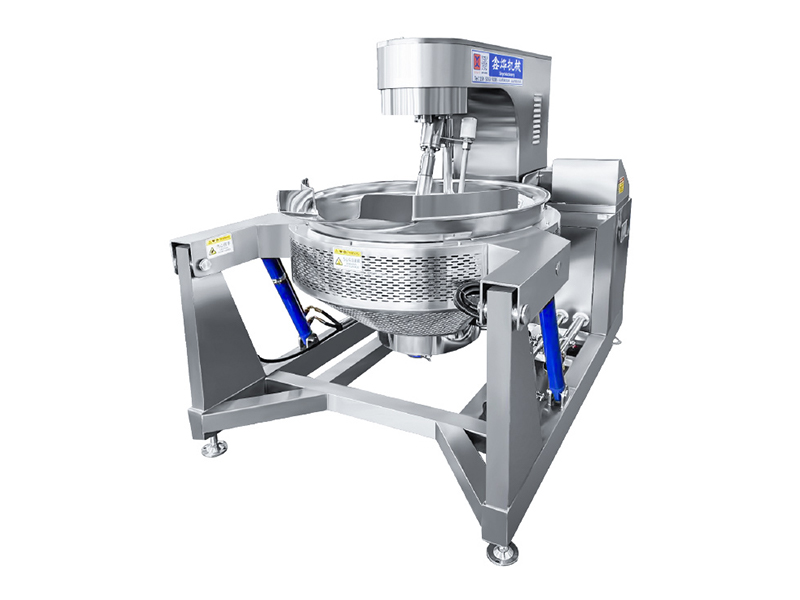


Drying is one of the oldest and most reliable methods of preserving seafood. From traditional sun-drying on coastal racks to modern conveyorized far infrared lines, the goal remains the same: remove enough moisture to prevent spoilage while preserving flavor, texture, and nutritional value. For commercial seafood processors, selecting the right industrial seafood drying machine is a decision that directly affects product quality, production capacity, energy costs, and regulatory compliance. Whether a facility processes fish fillets, shrimp, squid, or seaweed, the choice of industrial seafood drying machine determines whether the operation can meet output targets while maintaining consistent quality batch after batch. This guide walks through the key technologies, components, specifications, and buying criteria that processors should evaluate before investing in drying equipment.
Key Takeaways
An industrial seafood drying machine removes moisture from fish, shrimp, squid, seaweed, and other seafood through controlled heating and airflow, typically reducing moisture to below 20% for shelf-stable products.
Major drying technologies include far infrared radiation, hot air convection, heat pump dehumidification, microwave, and freeze drying — each with distinct advantages for different seafood products.
Far infrared drying offers deep, uniform heat penetration, faster processing times, and better energy efficiency compared to conventional hot air drying, making it well suited for continuous high-capacity production.
Critical buying factors include temperature control precision, humidity extraction capability, food-grade SUS304 stainless steel construction, throughput capacity, energy efficiency, and after-sales support.
Modern continuous mesh belt drying lines enable automated feeding, multi-zone temperature control, and uninterrupted production, significantly reducing labor requirements compared to batch or cabinet dryers.
The global food drying equipment market continues to grow, driven by demand for preserved seafood, snack products, and export-oriented processing.
What Is an Industrial Seafood Drying Machine?
An industrial seafood drying machine is specialized food processing equipment designed to remove moisture from seafood products in a controlled, repeatable manner. Unlike home food dehydrators or small cabinet dryers, industrial machines are built for high-volume, continuous operation in commercial processing facilities. They handle a wide range of products including fish fillets, whole small fish, shrimp, squid strips, seaweed, sea cucumber, shellfish meat, and fish jerky.
The fundamental principle behind all seafood drying is straightforward: apply heat and airflow to evaporate water from the product, then exhaust the moist air to maintain a drying gradient between the product surface and the surrounding air. What distinguishes modern industrial seafood drying machines from basic ovens is the level of control over temperature, humidity, airflow velocity, and drying time. Precision in these parameters determines whether the finished product is uniformly dried, retains its natural color and nutrients, or suffers from surface hardening, case hardening, or protein denaturation. A well-engineered industrial seafood drying machine balances all these variables to deliver repeatable, high-quality results across long production runs.
For processors, the choice of drying technology and machine configuration depends on several factors: the type of seafood being processed, its initial moisture content and thickness, the desired final moisture level, required production capacity, available energy sources (electricity, steam, natural gas), factory floor space, and budget. The Food and Agriculture Organization (FAO) provides extensive technical resources on fisheries processing and preservation, including traditional and modern drying methods, for those seeking broader industry context.

How Industrial Seafood Drying Works
Understanding the drying process is essential for selecting the right equipment. In a typical industrial seafood drying machine, the process follows these general stages. The specific parameters and duration of each stage vary depending on the product type, thickness, and the drying technology employed by the industrial seafood drying machine:
Product Preparation: Fresh or thawed seafood is cleaned, sorted, and may undergo pretreatment such as salting, marinating, or blanching depending on the product. The prepared product is then arranged uniformly on trays or a conveyor mesh belt to ensure even airflow exposure.
Initial Heating (Constant Rate Period): In the first stage, the product surface is wet and moisture evaporates freely. The drying rate is determined primarily by air temperature, humidity, and velocity. During this phase, the machine must efficiently remove large volumes of moist air to prevent condensation on the product surface.
Falling Rate Period: As surface moisture depletes, moisture must migrate from the interior of the product to the surface before it can evaporate. Drying slows down, and temperature control becomes more critical. Too much heat at this stage can cause surface hardening (case hardening), which traps moisture inside and leads to uneven drying or spoilage.
Final Conditioning: Once the target moisture content is reached, the product may pass through a cooling zone to bring it to handling temperature before packaging. Some machines integrate an air-cooling conveyor at the discharge end for this purpose.
The entire process is managed by a control system that regulates temperature setpoints, fan speeds, conveyor speed (for continuous machines), and humidity extraction. In multi-zone continuous drying lines, each zone can be set to a different temperature to match the changing drying requirements of the product as it moves through the industrial seafood drying machine.

Major Drying Technologies Compared
Different industrial seafood drying machines use different heating and moisture-removal technologies. Each has strengths and limitations, and the best choice depends on the specific product and production goals. Understanding these technologies helps buyers match the right industrial seafood drying machine to their processing needs.
1. Far Infrared Radiation Drying
Far infrared drying uses electromagnetic radiation in the far infrared wavelength range (typically 3 to 1000 micrometers) to heat food directly. When infrared radiation strikes the product, it is absorbed by water molecules and converted into heat through molecular resonance. This means heat is generated inside the product rather than transferred from the outside air, resulting in more uniform heating and faster drying. Far infrared drying is particularly effective for thin to medium-thickness products such as fish fillets, shrimp, seaweed, and squid strips. It also tends to preserve natural color and flavor better than high-temperature hot air drying because the core temperature rises more evenly. This technology is increasingly the preferred choice for continuous industrial seafood drying machine configurations.
2. Hot Air Convection Drying
Hot air drying is the most traditional and widely used industrial drying method. Heated air is circulated over and through the product, transferring heat by convection and carrying away evaporated moisture. Hot air systems are relatively simple, low-cost, and can handle large volumes. However, they are less energy-efficient than far infrared or heat pump systems because a significant portion of heat is lost in the exhaust air. They also carry a higher risk of surface overheating and case hardening if temperature and airflow are not carefully controlled. Many industrial seafood drying machines combine hot air circulation with far infrared heating to leverage the advantages of both methods.
3. Heat Pump Dehumidification Drying
Heat pump drying uses a refrigeration cycle to both heat the drying air and dehumidify it by condensing moisture out of the air stream. The condensed water is drained away, and the dehumidified, reheated air is recirculated. This closed-loop approach is highly energy-efficient, with energy savings of 30 to 70 percent compared to conventional electric or fuel-fired hot air dryers. Heat pump systems typically operate at lower temperatures (35 to 55 degrees Celsius), which is beneficial for heat-sensitive seafood products. However, they may have longer drying times and higher upfront equipment costs. A growing number of industrial seafood drying machine manufacturers now offer heat pump options or hybrid systems that combine heat pump dehumidification with far infrared heating.
4. Microwave Drying
Microwave drying uses electromagnetic radiation at microwave frequencies to generate heat throughout the product volume simultaneously. This volumetric heating can dramatically reduce drying time. However, microwave drying is prone to uneven heating, hot spots, and thermal runaway, especially in products with varying moisture content or thickness. It is more commonly used in combination with other methods (hybrid drying) rather than as a standalone technology for seafood.
5. Vacuum Freeze Drying
Freeze drying removes moisture by sublimation — frozen water in the product turns directly from solid ice to water vapor under high vacuum, without passing through the liquid phase. This preserves the product's original shape, texture, color, and nutrients to a remarkable degree. Freeze-dried seafood has excellent rehydration properties and a long shelf life. However, freeze drying equipment is expensive, has low throughput, and consumes significant energy. It is typically reserved for high-value products such as premium seafood snacks, camping food, or specialty ingredients.
| Drying Technology | How It Works | Best For | Energy Efficiency | Typical Temp Range |
|---|---|---|---|---|
| Far Infrared | Radiant heat penetrates product, molecular resonance generates internal heat | Fish fillets, shrimp, squid, seaweed, continuous lines | High | 50–80°C |
| Hot Air | Heated air circulates over product, convective heat transfer | High-volume, low-cost drying, thicker products | Low–Medium | 60–100°C |
| Heat Pump | Refrigeration cycle heats and dehumidifies recirculated air | Heat-sensitive products, energy-conscious facilities | Very High | 35–55°C |
| Microwave | Volumetric heating via microwave radiation | Hybrid systems, rapid drying of uniform products | Medium | Varies widely |
| Freeze Drying | Sublimation of frozen water under high vacuum | High-value premium products, maximum quality retention | Low | −30°C (frozen) |
Core Components of an Industrial Seafood Drying Machine
A modern industrial seafood drying machine consists of several integrated systems, each playing a critical role in drying performance and product quality. The following components work together in a well-designed industrial seafood drying machine to deliver consistent, efficient, and food-safe drying:
1. Heating System
The heating system is the heart of the machine. In far infrared drying lines, this consists of far infrared heating elements arranged above and/or below the conveyor belt to provide uniform radiant heat coverage. The elements are typically divided into independently controlled zones, allowing different temperature setpoints along the length of the dryer. Some machines also support supplementary heating sources such as electric elements, steam heat exchangers, or natural gas burners to augment the far infrared system or provide backup heating.
2. Conveyor System
For continuous drying machines, a food-grade stainless steel mesh belt conveyor carries the product through the drying chamber. The mesh design allows hot air and infrared radiation to reach the product from both above and below, promoting even drying. Multi-layer conveyor designs are increasingly common, as they maximize drying area within a compact footprint. Conveyor speed is adjustable via variable frequency drives, allowing processors to control residence time in the drying chamber.
3. Air Circulation and Exhaust System
Even with far infrared heating, airflow is essential to carry away evaporated moisture. Low-noise circulation fans distribute heated air uniformly throughout the drying chamber, while exhaust vents remove moist air to maintain the drying gradient. In fully enclosed insulated chambers, the exhaust system is designed to minimize heat loss while effectively removing moisture. Some advanced systems include humidity sensors that automatically adjust exhaust rates based on real-time moisture levels in the chamber.
4. Control System
The control system manages all machine functions: temperature setpoints for each heating zone, conveyor speed, fan speeds, exhaust dampers, and safety interlocks. Modern industrial seafood drying machines use programmable logic controllers (PLCs) with touchscreen human-machine interfaces (HMIs), allowing operators to store and recall drying recipes for different products. This is especially valuable for facilities that process multiple seafood varieties. The control system also provides fault diagnostics, production data logging, and alarm notifications.
5. Insulated Drying Chamber
The drying chamber is a fully enclosed, thermally insulated structure that contains the heating elements, conveyor, and airflow system. Proper insulation minimizes heat loss to the factory environment, improving energy efficiency and maintaining consistent internal temperatures. The chamber is constructed from food-grade SUS304 stainless steel both inside and out, with insulation material sandwiched between the inner and outer walls. Access panels allow for cleaning and maintenance of internal components.
6. Feeding and Discharge Mechanisms
Automated feeding systems distribute product evenly onto the conveyor belt at the inlet end, ensuring consistent layer thickness and preventing overloading. At the discharge end, the dried product is collected — either onto a downstream conveyor, into collection bins, or directly into packaging equipment. Some machines integrate an air-cooling section at the discharge end to bring the product down to safe handling temperature before it reaches the packaging area.
Key Technical Specifications to Evaluate
When comparing industrial seafood drying machines, buyers should review the following core parameters to ensure the equipment matches their production requirements. These specifications form the basis for comparing different industrial seafood drying machine models and determining which one best fits a facility's capacity, product mix, and budget:
| Specification | What It Means for Buyers | Typical Industrial Range |
|---|---|---|
| Drying Technology | Determines heating method, energy efficiency, and product suitability | Far infrared, hot air, heat pump, or hybrid |
| Temperature Range | Must cover optimal drying temp for your specific seafood products | Room temp – 120°C (far infrared models) |
| Temperature Control Accuracy | Precision affects product consistency and quality | ±1–3°C for PLC-controlled models |
| Conveyor Belt Width | Determines throughput capacity per pass | 600–2000 mm (customizable) |
| Conveyor Length / Layers | Determines residence time and total drying area | 3–15 m single-layer; multi-layer options |
| Conveyor Speed | Adjustable to control drying time per product | 0.1–5 m/min (variable frequency drive) |
| Heating Source Options | Electricity, steam, natural gas, or combined | Far infrared + supplementary electric/steam/gas |
| Power Supply | Check factory voltage and phase compatibility | 380V / 50Hz / 3-phase (standard) |
| Construction Material | Food-grade stainless steel required for food contact | SUS304 (food contact surfaces) |
| Humidity Extraction | Ability to remove moist air efficiently | Forced exhaust with adjustable dampers |
| Control System | PLC + touchscreen HMI for recipe storage and diagnostics | Digital PLC with multi-zone control |
| Machine Dimensions | Ensure factory floor space and ceiling height are sufficient | Varies by capacity and configuration |
| Cooling Section | Optional integrated cooling at discharge for packaging readiness | Available as customization |
Application Scenarios for Seafood Drying
Industrial seafood drying machines serve a diverse range of products and market segments. Understanding the specific requirements of each application helps in selecting the right machine configuration. Different products place different demands on an industrial seafood drying machine in terms of temperature sensitivity, drying time, humidity control, and throughput:
Fish Fillets and Fish Jerky: Thin fish fillets and seasoned fish jerky benefit from far infrared drying, which provides rapid, uniform heat penetration and helps develop desirable color and flavor. Typical drying temperatures range from 55 to 75 degrees Celsius, with multi-zone control to gradually reduce moisture without overcooking the surface. A continuous industrial seafood drying machine with multi-zone temperature control is ideal for these products.
Shrimp and Prawns: Dried shrimp is a popular ingredient in many cuisines. Shrimp require careful temperature control to prevent shell hardening and ensure even drying of the meat inside. Far infrared or low-temperature heat pump drying at 45 to 65 degrees Celsius is commonly used, with attention to humidity control during the initial high-moisture phase. The right industrial seafood drying machine for shrimp should offer precise humidity extraction alongside temperature control.
Squid and Cuttlefish: Squid strips and shredded squid products are widely produced as snacks. These products have high protein content and can become tough if dried at too high a temperature. Moderate-temperature drying with good airflow is essential. Far infrared drying at 50 to 70 degrees Celsius is effective for squid products.
Seaweed and Algae: Dried seaweed products include nori, wakame, kelp, and various edible algae. Seaweed has a high initial moisture content and requires efficient moisture removal. Far infrared and hot air drying are both used, with temperatures typically ranging from 40 to 80 degrees Celsius depending on the specific seaweed variety.
Sea Cucumber and Shellfish: High-value products like dried sea cucumber and dried scallops require precise, gentle drying to preserve texture and market value. Lower-temperature drying (40 to 55 degrees Celsius) over longer periods is typical, often using heat pump or combined far infrared and hot air systems.
Whole Small Fish: Small fish such as anchovies, sardines, and sprats are commonly dried whole for use as snacks, animal feed, or ingredients. These products can tolerate higher drying temperatures (60 to 90 degrees Celsius) and are well suited to high-throughput continuous far infrared drying lines.
Market Context and Industry Trends
The market for food drying equipment continues to expand globally, driven by several factors. Consumer demand for convenient, shelf-stable seafood products is growing, particularly in the snack and ready-to-eat segments. Export-oriented seafood processors in coastal regions are investing in modern drying equipment to meet international food safety standards and increase product value. Additionally, the shift away from traditional sun-drying — which is weather-dependent, labor-intensive, and difficult to control for food safety — is driving adoption of controlled industrial drying systems.
Industry reports indicate that the food drying equipment sector is experiencing steady growth, with particular demand for energy-efficient and automated systems. Heat pump drying and far infrared drying technologies are gaining market share due to their energy efficiency and product quality advantages. Continuous mesh belt dryers are increasingly preferred over batch cabinet dryers for high-volume production because they reduce labor, improve consistency, and integrate more easily with upstream and downstream processing equipment.
For processors evaluating equipment investments, the Institute of Food Technologists (IFT) publishes Food Technology Magazine, which covers advances in food processing and preservation technologies. Market research firms such as Smithers also provide industry analysis on food processing and packaging equipment markets for those seeking detailed market intelligence to inform their industrial seafood drying machine purchasing decisions.
Buying Guide: How to Select the Right Industrial Seafood Drying Machine
For buyers researching an industrial seafood drying machine for sale or comparing industrial seafood drying machine prices, the following checklist provides a structured approach to the procurement decision. These criteria help ensure that the selected industrial seafood drying machine delivers reliable performance and a strong return on investment:
Define your product requirements first: List the specific seafood products you plan to dry, their typical thickness and initial moisture content, target final moisture, and desired production volume per shift. This determines the required drying technology, temperature range, conveyor size, and machine length. Be as specific as possible when requesting quotes for an industrial seafood drying machine, as this helps manufacturers recommend the optimal configuration.
Match drying technology to your products: If you process thin to medium products (fillets, shrimp, squid, seaweed) and want high throughput, far infrared continuous drying is a strong choice. If you process high-value heat-sensitive products (sea cucumber, premium shellfish) and prioritize energy savings, consider heat pump drying. For maximum flexibility, look for machines that support combined heating technologies.
Evaluate temperature and humidity control precision: Look for machines with multi-zone independent temperature control, PLC-based digital regulation, and humidity-sensing exhaust systems. Temperature control accuracy of plus or minus 1 to 3 degrees Celsius is typical for quality machines. Poor temperature control leads to inconsistent product quality and higher reject rates.
Check construction and food safety compliance: All food contact surfaces must be food-grade SUS304 stainless steel. Verify that the machine design allows for easy cleaning and washdown, with smooth surfaces and no crevices where food residue or bacteria can accumulate. Look for machines that support HACCP (Hazard Analysis and Critical Control Points) compliance requirements.
Assess energy efficiency and operating costs: Beyond the initial industrial seafood drying machine price, consider ongoing energy costs. Far infrared and heat pump systems are generally more energy-efficient than pure hot air systems. Check the machine's power rating, insulation quality, and whether it supports waste heat recovery or heat recirculation.
Consider automation and integration capability: Modern continuous drying lines should offer automated feeding, adjustable conveyor speed, recipe storage, and production data logging. Consider whether the machine can integrate with your existing processing line (upstream preparation equipment and downstream packaging) to create a streamlined production flow.
Verify customization options: Every processing facility is different. Look for manufacturers that can customize conveyor width, machine length, number of heating zones, heating source, cooling section, and overall layout to fit your factory space and product mix. Off-the-shelf machines may not fully meet your requirements.
Evaluate after-sales support and warranty: Check the manufacturer's warranty policy (typically 12 months for mechanical parts), availability of spare parts, installation support, operator training, and responsiveness of technical support. For international buyers, confirm that the manufacturer provides detailed installation documentation, video guidance, and optional on-site engineer dispatch.
Request a demonstration or trial run: Before committing to a purchase, ask the manufacturer to run a drying test with your specific product material. This verifies that the industrial seafood drying machine can achieve your target moisture content, drying time, and product quality. A reputable manufacturer will welcome this request.
Calculate total cost of ownership: Compare machines based on total cost over the expected service life (typically 8 to 15 years), including purchase price, installation, energy consumption, maintenance, spare parts, and expected downtime. A slightly more expensive machine with better energy efficiency and reliability may have a lower total cost of ownership.
Looking for a Reliable Industrial Seafood Drying Machine Manufacturer?
XINYE Food Machine specializes in far infrared continuous baking and drying lines built for seafood, nuts, meat jerky, herbs, and pet food processing. Our multi-layer mesh belt machines feature precise multi-zone temperature control, food-grade SUS304 stainless steel construction, automated operation, and customizable configurations to match your production capacity and factory layout. Our engineering team provides tailored solutions, detailed installation support, and responsive after-sales service for clients worldwide.
Request a Quote TodayConclusion
Selecting the right industrial seafood drying machine is a significant investment that affects product quality, production efficiency, and long-term profitability. The best choice depends on a careful match between the machine's drying technology, specifications, and the processor's specific product mix and production requirements. Far infrared continuous drying lines have emerged as a versatile and efficient option for many seafood applications, offering rapid uniform heating, good energy efficiency, and high throughput in an automated, food-safe configuration. When evaluating any industrial seafood drying machine, processors should prioritize machines that offer precise temperature control, food-grade construction, reliable humidity extraction, and strong manufacturer support.
Processors should approach the buying decision systematically: define product requirements, evaluate drying technologies, verify construction quality and food safety compliance, assess energy efficiency and automation, and thoroughly evaluate the manufacturer's support capabilities. By taking these factors into account and requesting product trials before purchase, seafood processors can select an industrial seafood drying machine that delivers consistent quality, reliable performance, and a strong return on investment for years to come.
Frequently Asked Questions
What is an industrial seafood drying machine?
An industrial seafood drying machine is food processing equipment that removes moisture from seafood products such as fish fillets, shrimp, squid, seaweed, and sea cucumber through controlled heating and airflow, extending shelf life and concentrating flavor. Modern machines use far infrared, hot air, heat pump, or combined drying technologies with precise temperature and humidity control.
What drying temperature is best for seafood?
Most seafood products are dried at temperatures between 40 and 75 degrees Celsius. Higher temperatures risk protein denaturation and surface hardening, while lower temperatures extend drying time and may allow bacterial growth. The optimal temperature depends on the specific product, its thickness, and initial moisture content.
What is the ideal moisture content for dried seafood?
Dried seafood products typically target a final moisture content below 20 percent and a water activity level of 0.60 or lower. These levels inhibit mold, yeast, and bacterial growth, enabling room-temperature storage and extended shelf life without chemical preservatives.
How does far infrared drying differ from traditional hot air drying?
Far infrared drying uses electromagnetic radiation that penetrates food directly and generates heat internally from molecular resonance, whereas hot air drying transfers heat from the outside in through convection. Far infrared drying is generally faster, more energy-efficient, and produces more uniform results with less surface burning.
What should I look for when buying an industrial seafood drying machine?
Key factors include: drying technology matching your product, temperature control precision, capacity and throughput, food-grade stainless steel construction, energy efficiency, humidity extraction capability, ease of cleaning, automation level, after-sales support, and customization options for your specific factory layout and product mix.
Can one machine dry different types of seafood?
Yes. Modern PLC-controlled machines with touchscreen interfaces allow operators to store and recall different drying recipes (temperature profiles, conveyor speeds, fan settings) for different products. Multi-zone temperature control and adjustable conveyor speed make it possible to process fish, shrimp, squid, and seaweed on the same machine with appropriate recipe changes.
How much does an industrial seafood drying machine cost?
Pricing varies widely based on drying technology, machine size, conveyor width and length, number of heating zones, automation level, and customization. Small batch cabinet dryers may cost a few thousand dollars, while large continuous far infrared multi-layer lines with full automation can cost tens of thousands of dollars. Buyers should request quotes based on their specific capacity and product requirements, and evaluate total cost of ownership rather than purchase price alone.


 Phone: